
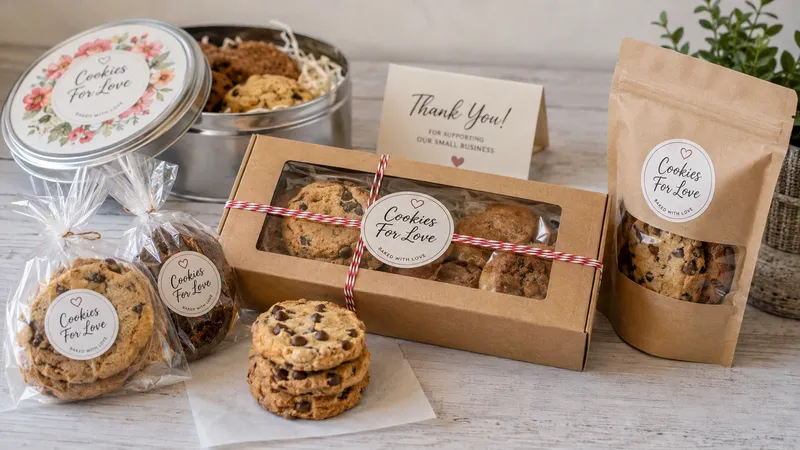
Choosing the right packaging can make or break a small cookie business. It’s easy to focus all your energy on the recipe, perfecting the chewy center or the crisp edge — and treat the box or bag as an afterthought. But packaging is often the first thing a customer touches, and for a brand like CookiesForLove, it’s doing double duty: keeping cookies fresh and telling customers what kind of business they’re buying from. This guide breaks down the practical food packaging options CookiesForLove business can consider, along with the trade-offs that actually matter when you’re running a real bakery, not just designing one on paper.
Why Packaging Matters More Than Most Bakers Expect
Cookies are deceptively tricky to package. They’re fragile enough to crack in transit, sensitive to moisture, and prone to going stale fast once air gets in. Get the packaging wrong, and even a perfect batch arrives crumbled or soft when it should be crisp.
Beyond freshness, packaging shapes first impressions. A customer who receives a plain plastic bag versus a branded kraft box with a ribbon forms two very different opinions about the same cookie, even before tasting it. For a growing brand, that visual signal builds trust and repeat orders.
Food Packaging Options CookiesForLove Business Owners Actually Use
Here’s where most cookie sellers start, and why each option tends to work — or fall short — depending on the situation.
Kraft Paper Boxes
Kraft boxes remain one of the most popular food packaging options for small bakeries because they strike a balance between cost, presentation, and eco-friendliness. They photograph well for social media, hold their shape during shipping, and can be customized with stamped logos or stickers without a huge print budget.
The downside: plain kraft board isn’t airtight on its own. Bakers typically add a wax paper liner or a resealable inner bag to lock in freshness, especially for soft-batch cookies that dry out quickly.
Heat-Sealed Cellophane Bags
For bakers selling individual cookies or small grab-and-go portions, heat-sealed cello bags are hard to beat. They’re inexpensive, transparent so customers can see the product, and create a tight seal that slows staling far better than a folded bag ever could.
A local bakery I’ve seen operate at farmers markets uses this exact setup: single cookies in heat-sealed bags with a small round sticker sealing the fold. It’s simple, cheap, and customers trust what they can see through the plastic.
Rigid Tins and Reusable Containers
For gift sets or holiday orders, tins add a premium feel that justifies a higher price point. They protect cookies from breakage far better than boxes and give customers something reusable afterward, which extends brand visibility long after the cookies are gone. The trade-off is cost — tins run significantly higher per unit than paper or plastic, so they usually make sense for higher-margin gift bundles rather than everyday sales.
Resealable Stand-Up Pouches
Pouches with a zip-lock top work well for bulk cookie sales, like a dozen mixed pieces sold as one unit. They keep cookies fresher over multiple days since customers can reseal them between servings, which matters a lot for anyone shipping cookies rather than selling them same-day.
Matching Packaging to How the Cookies Travel
One detail that gets overlooked: packaging should match distance, not just aesthetics & Local pickup orders can get away with lighter packaging since the cookies aren’t jostled for long. Shipped orders need sturdier boxes, extra cushioning like tissue paper or crinkle fill, and ideally a rigid outer box so the product doesn’t arrive shattered.
A useful rule from experienced small-batch bakers: if a box would survive being dropped from waist height, it’s probably safe for standard shipping carriers.
Food Safety and Labeling Requirements
Whatever packaging a CookiesForLove business chooses, it needs to meet basic food safety standards. In the US, that generally means:
- Using food-grade materials that are safe for direct contact with baked goods
- Including an ingredient list, especially for common allergens like nuts, dairy, eggs, and gluten
- Adding a “best by” or production date, particularly for cookies without preservatives
Requirements vary somewhat by state, especially for home-based bakeries operating under cottage food laws, so checking local health department guidelines before scaling up is worth the time it takes.
Balancing Cost With Brand Image
New bakery owners often default to the cheapest packaging available, which makes sense early on but can hold a brand back once demand grows. A better approach is tiering packaging by product type: simple cello bags for everyday single cookies, kraft boxes for standard orders, and tins or pouches reserved for gifting and bulk sales. This keeps everyday costs low while still giving customers a premium option when they want one.
Final Thoughts
There’s no single right answer among food packaging options for a CookiesForLove business; the best choice depends on order size, shipping distance, and how much the brand wants to lean into a premium feel versus everyday affordability. Starting with kraft boxes and cello bags covers most needs, and adding tins or pouches later gives the business room to grow without a packaging overhaul.
Good packaging isn’t just protection. For a cookie brand, it’s often the first bite of the experience customers actually see. For more information, visit our website.