
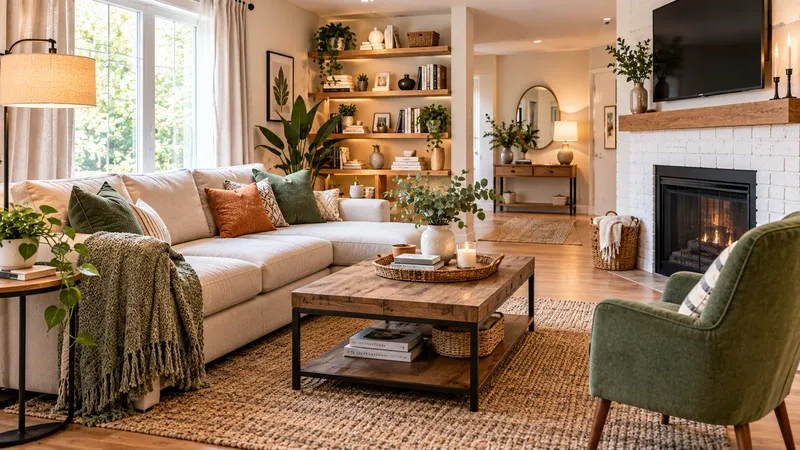
Creating a beautiful home does not always require a large budget, expensive furniture, or a complete renovation. In many cases, the biggest improvements come from simple changes that make a room feel more balanced, comfortable, and personal. The right colors, lighting, textures, furniture placement, and decorative details can completely change how a space looks and feels. The idea behind Home Decor Ideas TheHomeTrotters is to approach decorating in a practical way. Instead of following every trend, homeowners can focus on choices that suit their lifestyle and make their rooms easier to enjoy every day. Whether you are refreshing one corner or redesigning an entire room, thoughtful styling can make a noticeable difference.
Start With the Room You Already Have
Before buying anything new, take a careful look at the room. Notice what works, what feels crowded, and what seems to be missing.
For example, a living room may already have a comfortable sofa but still look unfinished. Rather than replacing the sofa, you could add a textured rug, a few coordinated pillows, and a floor lamp. These smaller additions can create a more complete look without changing the main furniture.
This approach also helps prevent unnecessary spending. Decorating works best when every new item has a purpose.
Choose a Simple Color Direction
Color creates the foundation for a room’s overall mood. You do not need to use a complicated palette to achieve a stylish result.
Start with one main color and build around it. Neutral shades such as white, beige, cream, gray, and soft brown can provide a flexible background. You can then introduce stronger colors through artwork, cushions, curtains, or smaller accessories.
For instance, a cream-colored living room can gain character from olive green cushions, natural wood furniture, and muted artwork. The room remains calm while gaining visual interest.
When exploring Home Decor Ideas TheHomeTrotters, think about how colors connect from one room to another. A consistent color family can make a home feel more connected without making every room look identical.
Mix Textures for More Visual Interest
A room can have attractive colors and furniture but still feel flat. Texture helps solve that problem.
Try combining different materials such as:
- Soft cotton cushions
- Woven baskets
- Wooden furniture
- Ceramic accessories
- Glass surfaces
- Linen curtains
- Wool or textured rugs
The key is balance. If everything has the same smooth finish, the space may feel less interesting. Adding natural and tactile materials creates depth.
This is particularly useful in neutral rooms. When the colors are subtle, texture can provide the variation that keeps the design from looking plain.
Make Lighting Part of the Decor
Lighting deserves more attention than it often receives. A single ceiling light may provide enough visibility, but layered lighting can make a room feel much warmer.
Consider using three basic types of lighting: general lighting for overall visibility, task lighting for specific activities, and accent lighting for atmosphere.
A reading chair, for example, benefits from a nearby lamp. A piece of artwork can become a focal point with suitable accent lighting. Meanwhile, table lamps can create a softer atmosphere in the evening.
Natural light also matters. Keep windows as open as practical during the day, and choose window treatments that allow you to control brightness and privacy.
Create a Focal Point
Every room benefits from having something that naturally attracts attention. This might be a large piece of artwork, a fireplace, an interesting headboard, a statement mirror, or even a carefully styled shelf.
A common mistake is giving every object equal visual importance. When everything competes for attention, the room can feel busy.
Instead, choose one primary focal point and let the surrounding elements support it. In a bedroom, the bed may serve as the main feature. In a living room, artwork above the sofa or a distinctive coffee table could take that role.
Style Shelves Without Overcrowding Them
Open shelving provides a useful opportunity to display books, plants, photographs, and decorative objects. However, filling every available space can make shelves appear cluttered.
Leave some empty space between groups of objects. Combine items of different heights rather than arranging everything in one straight line.
For example, you might place several books horizontally, add a small ceramic piece beside them, and position a plant on another shelf. This creates variation without making the arrangement chaotic.
The same principle applies to entertainment centers, consoles, and coffee tables.
Use Plants to Bring Life Indoors
Indoor plants can add color and natural texture to a room. They also work well with many decorating styles, from modern and minimalist spaces to rustic and traditional interiors.
If you are new to plants, start with varieties that match the available light and the amount of care you can realistically provide. A plant that requires frequent attention may not be a practical choice for someone with a busy schedule.
You can also use dried branches or quality artificial greenery when maintaining live plants is not convenient.
Think About Scale and Proportion
One of the most overlooked principles in home decorating is scale. Furniture and accessories should feel appropriate for the size of the room.
A tiny rug underneath a large seating arrangement can make the furniture appear disconnected. Similarly, a very small artwork on a large empty wall may lose its impact.
Before purchasing a major piece, measure the available area. Use painter’s tape on the floor to mark the approximate dimensions of furniture or rugs. This simple trick gives you a better idea of how an item will fit before you spend money.
Good Home Decor Ideas TheHomeTrotters should always consider function alongside appearance. A beautiful room still needs comfortable walking paths and practical furniture placement.
Personalize Your Space
A stylish home should reflect the people who live there. Trends can provide inspiration, but personal details give a room character.
Display meaningful photographs, travel souvenirs, favorite books, handmade pieces, or artwork that genuinely appeals to you. These objects can make a room feel authentic rather than copied from a showroom.
Personalization does not mean displaying everything you own. Choose a few meaningful pieces and give them enough space to stand out.
Decorate Gradually Instead of All at Once
You do not need to finish a room in one weekend. In fact, decorating gradually can lead to better results.
Start with the essentials, live with the arrangement for a while, and then identify what the room actually needs. You may discover that the empty corner you thought needed a cabinet works better with a chair and lamp.
This slower process also gives you time to compare options and avoid impulse purchases.
Small Changes Can Have a Big Impact
Some of the most effective decorating updates are surprisingly simple. Changing pillow covers, rearranging furniture, adding a mirror, replacing outdated curtains, or introducing warmer lighting can refresh a familiar space.
The goal is not to fill your home with decorations. It is to create rooms that feel comfortable, useful, and visually balanced.
The most practical Home Decor Ideas TheHomeTrotters focus on making thoughtful decisions rather than constantly buying new things. A well-decorated home should support everyday life while still expressing your personality.
Final Thoughts
Good home decor comes from understanding your space and making intentional choices. Start with the furniture and colors you already have, improve the lighting, introduce different textures, create clear focal points, and add personal details over time.
Most importantly, do not feel pressured to follow every decorating trend. Your home should work for your lifestyle first. With a little planning and creativity, even modest changes can make a room feel fresher, warmer, and more inviting. For more information, visit our website.