
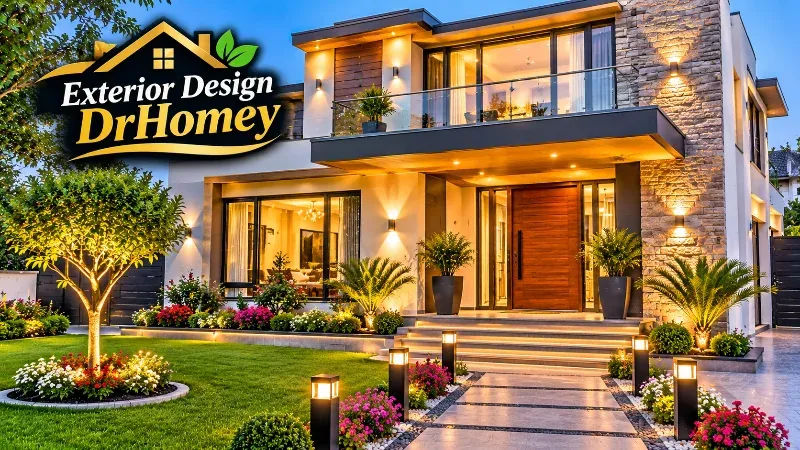
A home’s exterior creates the first impression before anyone steps inside. From the front entrance and wall colors to outdoor lighting and landscaping, every detail helps make a property look attractive. A well-designed exterior also improves comfort, supports everyday use, and can help maintain a home’s long-term value. Exterior design DrHomey focuses on practical ways to improve a home’s outdoor appearance through thoughtful design choices. Whether you own a small house or a spacious property, you can create an inviting exterior without spending a fortune. The key is to choose suitable materials, balance colors, and focus on details that complement your home’s architecture.
This guide explores useful exterior design ideas, affordable improvements, and practical tips to help you create a beautiful and functional outdoor space.
What Is Exterior Home Design?
Exterior home design refers to the planning and decoration of everything visible outside a property. It includes architectural features, wall finishes, windows, doors, roofing, landscaping, pathways, and outdoor lighting.
A successful exterior design DrHomey combines appearance with functionality. For example, a covered porch can improve the entrance while offering protection from rain and direct sunlight. Similarly, well-placed trees can provide shade and make an outdoor area more comfortable.
The best approach considers the home’s structure, local climate, available space, and maintenance needs before selecting decorative features.
15 Exterior Design Ideas to Make Your Home More Attractive
1. Choose a Color Scheme That Complements Your Home
Exterior colors can change the entire appearance of a property. Neutral shades such as white, beige, gray, and warm cream create a clean and timeless look. You can add darker colors to window frames, doors, or trim for contrast.
For example, a light gray exterior with charcoal window frames and a natural wood entrance creates a balanced modern appearance.
Before painting, test a few samples outdoors. Sunlight can make colors look different from how they appear inside a store.
2. Upgrade Your Front Entrance
The front entrance deserves special attention because visitors notice it immediately. A stylish front door, attractive hardware, clean steps, and matching outdoor lights can make a big difference.
Consider adding two planters beside the entrance or using a small covered porch to create a welcoming space.
3. Add Attractive Outdoor Lighting
Outdoor lighting improves visibility and adds character after sunset. Wall-mounted lights near the entrance, pathway lights, and garden spotlights can highlight important features.
Choose warm-white lighting for a comfortable atmosphere. Place lights carefully to avoid glare toward windows or neighboring properties.
4. Improve Your Landscaping
A well-maintained garden makes a house feel fresh and inviting. You do not need a large lawn to achieve this effect. Small flower beds, decorative grasses, shrubs, and a few potted plants can improve even a limited outdoor area.
Choose plants that suit your local climate and available sunlight. Native plants often need less water and maintenance once established.
5. Select Durable Exterior Materials
Materials influence both appearance and maintenance costs. Brick, stone, fiber cement, wood, and vinyl siding each offer different benefits.
For example, brick provides a traditional appearance, while fiber cement can create a clean finish with several design options. Always check weather resistance, installation requirements, and long-term upkeep before buying materials.
6. Create a Comfortable Patio
A patio gives you a useful place to relax, enjoy meals, or spend time with family. Even a small paved area can become attractive with comfortable chairs, outdoor cushions, and a few plants.
Choose weather-resistant furniture and leave enough walking space so the area remains practical.
7. Refresh Your Windows and Frames
Clean windows make a property look better maintained. If the frames appear faded, consider repainting them with a suitable exterior product or replacing damaged sections.
Dark frames can complement modern homes, while traditional properties may look better with softer or classic colors.
8. Design a Beautiful Walkway
A clear walkway connects the entrance with the driveway, garden, or street. Concrete pavers, natural stone, and brick can all create attractive paths.
Make sure the surface remains stable and provides good drainage. Avoid uneven materials that could create tripping hazards.
9. Add a Fence That Matches the Architecture
A fence provides privacy, security, and visual structure. Wooden fences suit many traditional homes, while metal designs often complement contemporary properties.
Consider the height, material, maintenance needs, and local building regulations before installation.
10. Give Your Roof the Attention It Needs
A roof is one of the largest visible parts of a house. Missing shingles, damaged flashing, and stained surfaces can affect both appearance and protection.
Schedule regular inspections and address minor problems before they become expensive repairs. Choose replacement materials that suit the home’s structure and local weather.
11. Make Better Use of Vertical Space
Vertical gardens, climbing plants, and wall-mounted planters can add greenery without taking up much ground space.
This idea works particularly well for small yards, narrow entrances, and compact patios. Use suitable supports and keep plants away from surfaces where moisture could cause damage.
12. Keep the Exterior Clean and Organized
Sometimes the best improvement does not require construction. Cleaning walls, removing weeds, washing pathways, and organizing outdoor equipment can make a noticeable difference.
Keep garbage bins, hoses, tools, and storage items in suitable locations rather than leaving them near the main entrance.
13. Add a Covered Porch
A covered porch provides shade and shelter while making the entrance more useful. You can include a small bench, decorative lighting, and weather-resistant accessories.
Make sure the structure follows local building requirements and provides proper protection from rain.
14. Improve Driveway Appearance
A clean driveway helps create a polished overall look. Repair cracks, remove weeds, and keep the surface free from oil stains.
If you plan a replacement, compare concrete, asphalt, and pavers based on installation costs, climate, drainage, and maintenance.
15. Use a Consistent Design Theme
One of the most important design principles is consistency. Combining too many colors, materials, and decorative styles can make a house look confusing.
Choose two or three main colors and repeat similar finishes across the entrance, windows, fencing, and outdoor furniture. This creates a more connected appearance.
How to Plan an Exterior Design Project on a Budget
A successful renovation starts with a clear plan. You do not need to complete every improvement at once.
A practical approach is to divide your project into three stages:
- First stage: Clean the exterior, remove weeds, repair visible damage, and refresh the front entrance.
- Second stage: Improve paint, lighting, windows, and landscaping.
- Third stage: Consider larger upgrades such as patios, fencing, roofing, or new exterior materials.
This approach helps you manage expenses and focus on the improvements that matter most.
For example, if your house has faded paint and an untidy entrance, fixing those two areas may provide more visible improvement than immediately investing in an expensive patio.
How Exterior Design DrHomey Helps Homeowners Make Better Choices
The ideas behind exterior design DrHomey bring different parts of home improvement together. Instead of treating paint, landscaping, lighting, and building materials as separate decisions, homeowners can consider how these features work as one complete design.
For example, imagine a small suburban house with faded walls, an outdated entrance, and an empty front yard. A fresh neutral paint color, a modern front door, two outdoor lights, and simple garden beds could create a noticeable transformation.
The important point is to choose improvements that match the home’s architecture, available space, and maintenance budget.
Common Exterior Design Mistakes to Avoid
Even attractive ideas can produce disappointing results when homeowners overlook practical details. Avoid these common mistakes:
- Choosing colors without testing: Always check paint samples in natural daylight.
- Ignoring drainage: Poor water flow can damage foundations, pathways, and landscaping.
- Using unsuitable materials: Select products designed for your local weather conditions.
- Adding too many decorations: Keep the overall appearance balanced and organized.
- Ignoring maintenance: Consider cleaning, repainting, and repair requirements before making purchases.
A little planning can prevent unnecessary expenses and help your improvements last longer.
Final Thoughts
A beautiful home exterior comes from thoughtful decisions, not simply expensive renovations. Small improvements such as fresh paint, attractive lighting, clean pathways, and healthy landscaping can make a property more welcoming and functional.
Exterior design DrHomey offers a useful starting point for exploring these improvements and understanding how different outdoor features work together. Start with the areas that need the most attention, establish a realistic budget, and select materials that suit your home’s architecture and climate.
With a clear plan and consistent design choices, you can create an exterior that looks attractive, feels welcoming, and remains practical for years to come. For more information, visit our website.